Koala’s Marshmallow Test

This slideshow requires JavaScript.

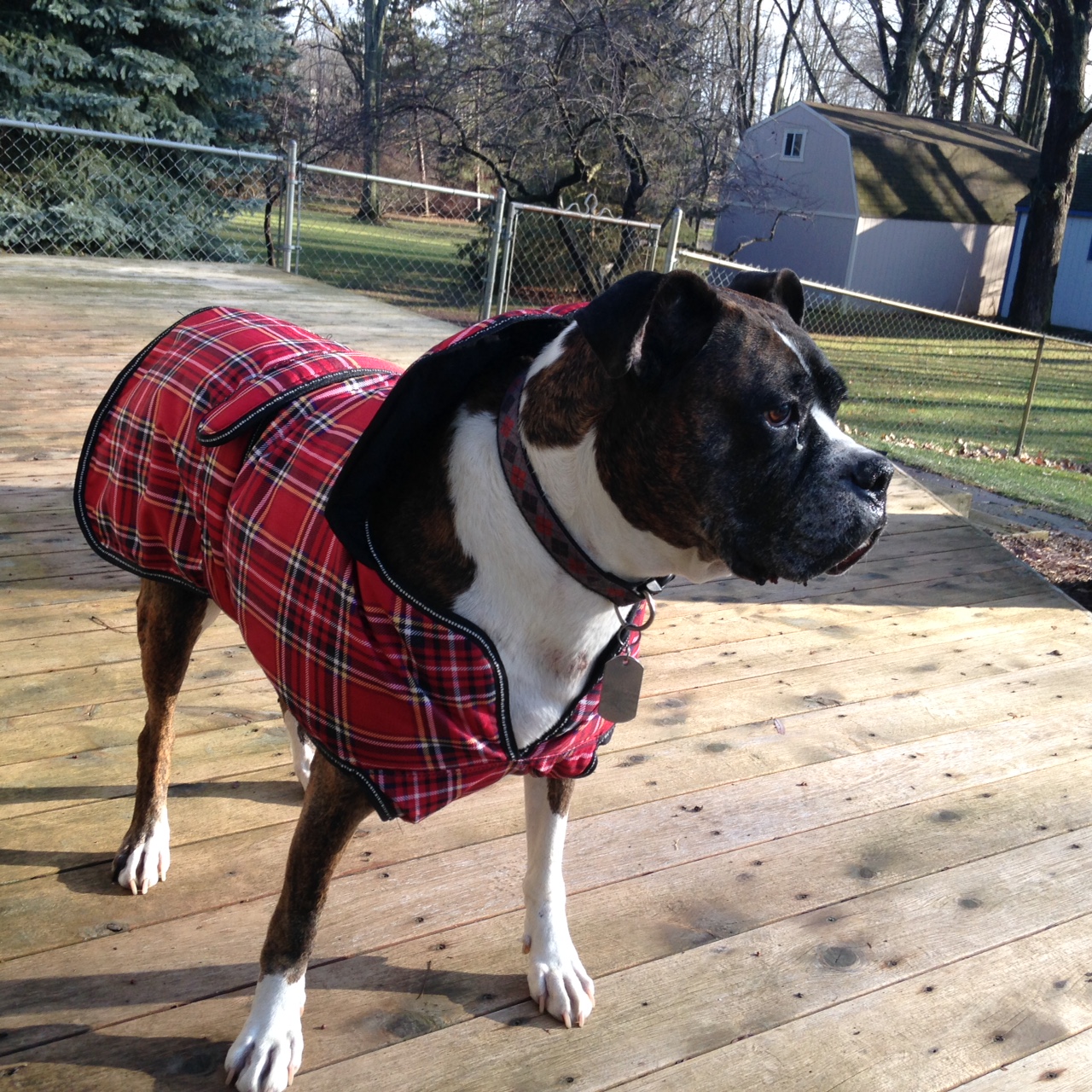
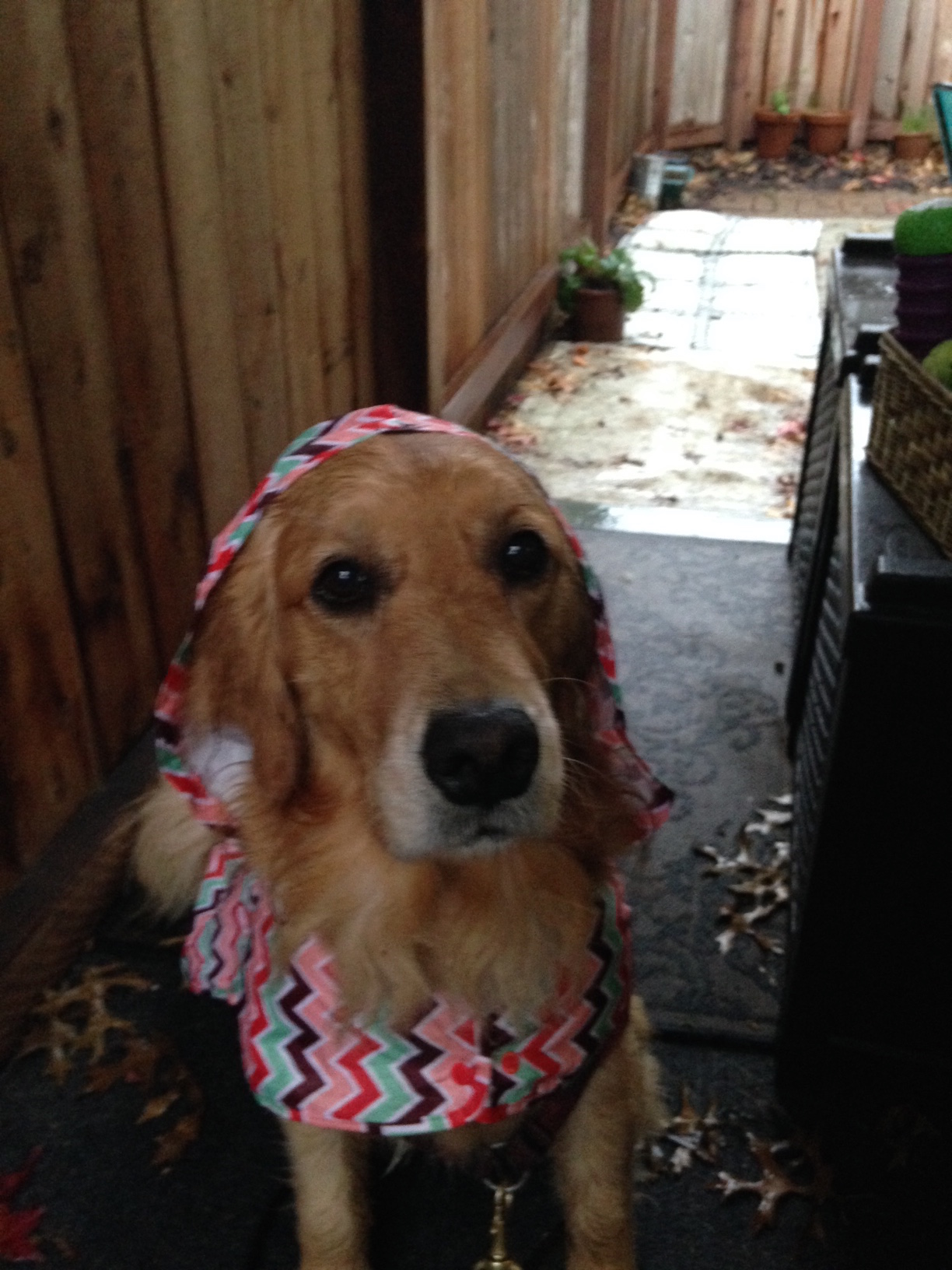
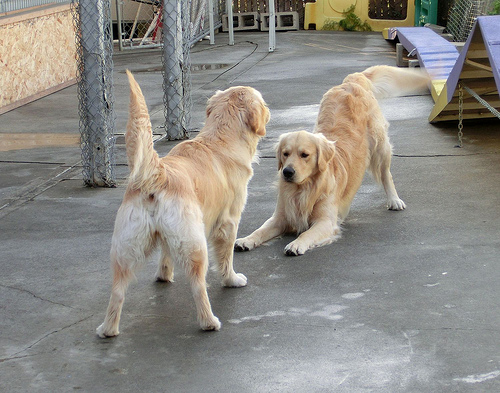
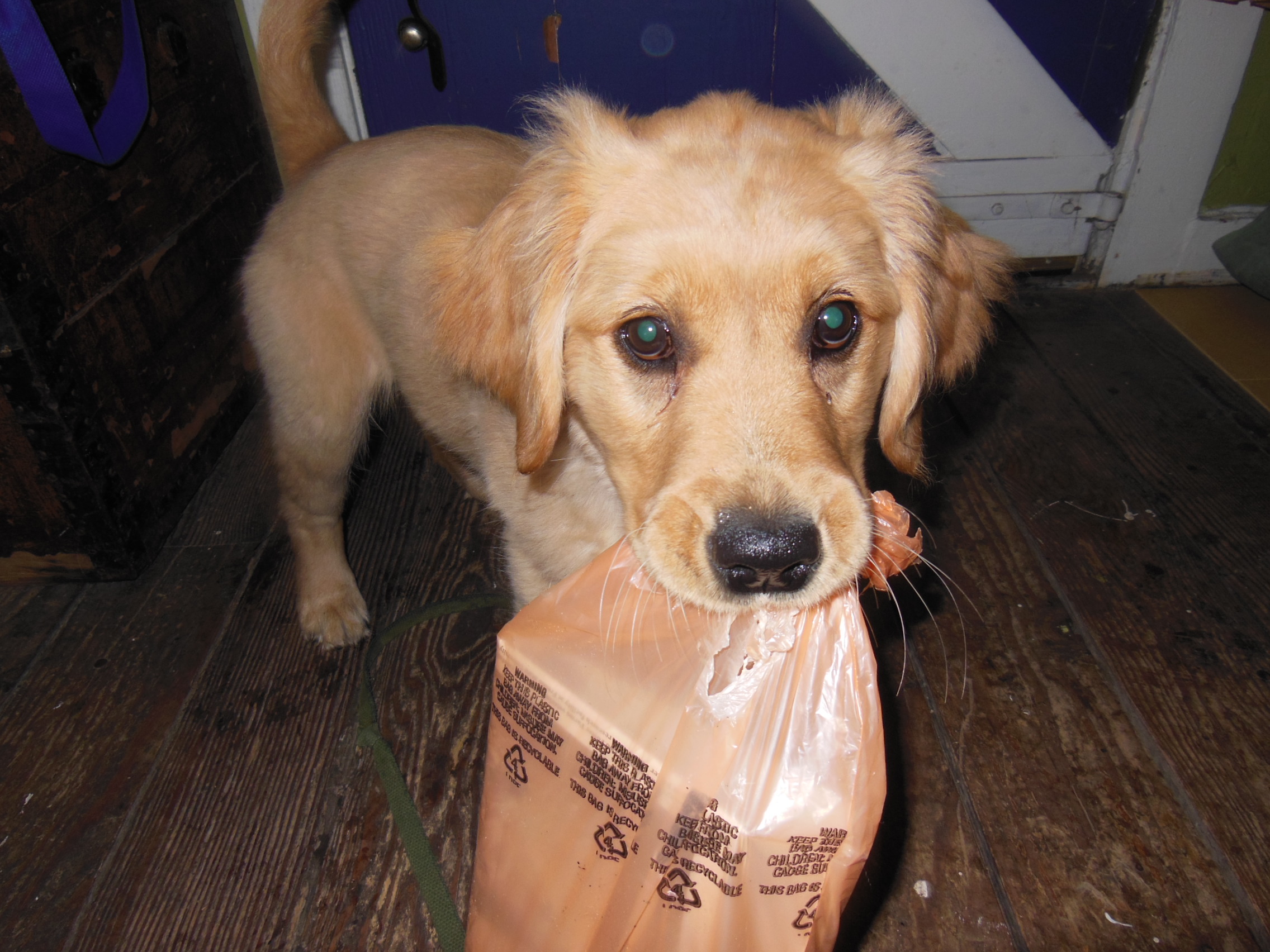
Koala, Deni’s current guide dog, is an exuberant dog; she has greeted me so enthusiastically that I emerge bruised. When she finds Deni a trash can to dump her poop, Koala leaps up and embraces the can, entire body wagging. So I was skeptical that she’d do well on the marshmallow test.

The marshmallow test is a test of self-restraint. The original test pitted preschoolers against marshmallows: If the child, unsupervised, could hold off on eating a marshmallow for 15 minutes, the researcher would reward the child with a second marshmallow. Children who waited, rather than eating the marshmallow with which they were left alone, were found, as adults, to have achieved greater success according to a variety of measures: higher SAT scores and greater academic achievement, more likely to have saved for retirement, etc.

Alberta, Deni’s previous guide dog, as you might recall, did very well on the marshmallow test. She clearly worked to distract herself from the treats, employing some of the methods the children did: she turned away, closed her eyes, raised her head and closed her eyes. Some of the kids sang or hummed; Alberta raising her head to smell something other than the treats is probably the doggie equivalent.

Alberta is, in many ways, a less exuberant and more restrained dog than Koala. So, I did not expect Koala to fare as well on this test of self-restraint.

Deni set up Koala’s test just has she had Alberta’s. A bowl of dog cookies was placed in the quiet hallway outside Deni’s office; Koala, dressed in her guide harness, sat in front of the bowl. Deni told her to “leave it,” then Deni went into the office and closed the door. Koala was alone in the hallway, but Deni, and a student photographer watched through the window blinds. Koala could not see Deni.

While Deni and the student were setting up the test, filling Koala’s bowl with treats, Koala — in harness — leapt and bounced around them in excitement. The student commented that she did not think the test would end well for Koala.

So, how did she do?

As Alberta had, Koala first leaned in and sniffed the cookies. She sat back up. And sat there. Unlike Alberta, she sat and stared at the bowl, salivating a bit. That’s it. She did not have to distract herself, she did not look away, close her eyes, or sing to herself. She aced the test.

I might need to point out: Both girls are Labradors who love their food and adore cookies.

Why was the test easier for Koala? Both girls were able to fight temptation and exercise self-restraint. What’s her secret? I’d love to say that her analytical nature is the key, but being very analytical myself has never helped much in the face of a chocolate-chip cookie.

Is Koala simply on a higher ethical plane than Alberta is (or I am)? That is the question that Deni is now asking: Is Alberta more ethical for having overcome a struggle to exercise restraint? Or is Koala more ethical for being easily able to do the right thing? Deni asks her philosophy students the same question about people.

We may never have an answer to that. What we do learn from this test, though, is that a dog’s behavior is not evidence that that dog can (or cannot) learn to “behave” —exercise self-restraint — in other circumstances. Koala, for example, plays tug to win, big time. She’d rip your arms out of their sockets if you let her. But her ability to “leave it” shows that, with practice and reinforcement, she could exercise that same restraint in other areas.

For other dogs and people, that translates to not giving up on a dog who has some uncontrolled behavior; it’s likely that, with some coaching, time, and practice, that dog, too, can pass his own marshmallow test. Now I am curious about Cali …

Don’t Let This Happen!

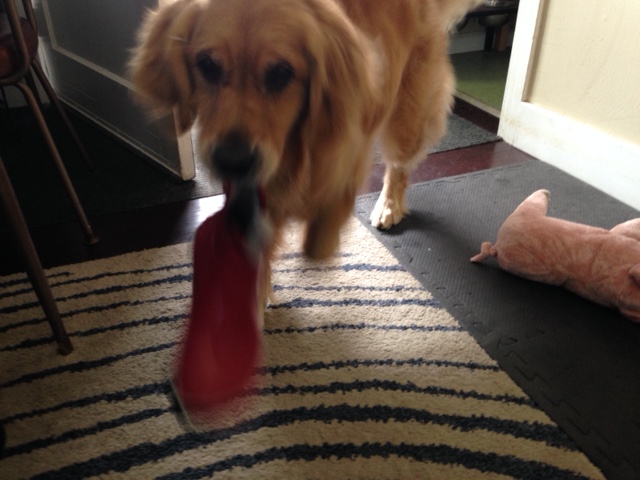
Cali carries a newspaper
It’s easier to teach a puppy to retrieve than to teach her to let you trim her nails.

A headline a few weeks ago caught my eye: “PetSmart, groomer are sued in death of dog.” Obviously, this should never happen. Reading the article just made me sad, and angry.

The dog, Henry, a year-old dachshund, went to the groomer to get his nails trimmed. He emerged, bloody, with two broken ribs and a punctured lung, struggling to breathe. He died soon after.

The owners’ lawsuit seeks more than damages for their suffering and Henry’s. They want change. They want the state (it happened in California) to license groomers. Grooming is not regulated. And this was not an isolated incident.

I want change, too, but I’m not convinced that state regulation is the only or best answer. States are not doing a great job of preventing or punishing a lot of other cruel and horrific treatment of animals, including pets.

So, how can you prevent this from happening to your dog?

Most pet parents struggle with nail trims. It’s a tough sell with most dogs. I did everything by the book with both Jana and Cali: lots of gradual exposure, a ton of treats, and they never once got nicked. It worked with Jana, but not Cali. She still hates having her nails done. She’ll let me do it, but she’s not happy about it. It’s a lot harder to teach a dog to accept nail trimming than to teach her to sit on cue or even to pick up a newspaper, both of which Cali does beautifully.

But here’s the thing. Even though Cali does not like it, she doesn’t struggle. I get down on the floor with her, hold her paw firmly, and she lets me do it — then collects a very yummy treat after each paw.

I know that many dog moms are going to have someone else do the nails, but that’s even more reason to work on it. If the dog is not terrified, she won’t struggle, and the groomer won’t do … whatever that horrible groomer did to poor Henry.

Puppy classes should all include some basic grooming and conditioning to a nail trimmer or dremel-type file. Adult classes, too. Nail trimming is scary, especially the noisy dremel. Most dogs dislike having their paws handled. But the classes usually don’t even mention it. That’s too bad. But pet parents can do this on their own. Slow, gradual, exposure. Lots of encouragement and treats. The Whole Dog Journal has articles explaining step-by-step what to do. Or ask a trainer for help. You can do it at any age, but the earlier you start, the better.

And, if you do take your dog to a groomer, ask lots of questions. Try to find a place where everything is out in the open and you can see what they are doing to restrain dogs. Ask them how they restrain dogs. Do it for Henry. No dog should have to go through what he experienced.


Mood Collars


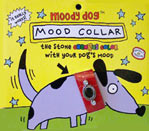
Package for Mood Collar, which is not a real product. Shows cartoon dog with "mood ring" type stone in his collar.
The Mood Collar is no longer available from Moody Pets, but lots of cool toys are. Check them out.

I saw an article recently on a collar that lights up in different colors to reflect the emotion the dog is showing — a mood ring, or mood collar, for dogs.

The collar, called Inupathy, was developed by a Japanese biologist. The collar monitors the dog’s heartbeat and shows whether the dog is calm, excited, anxious, or angry. Co-creator Joji Yamaguchi told the BBC that he wanted to better understand his dog’s emotions. Fair enough.

But couldn’t he just pay closer attention to his dog?

It’s not always easy to tell distinguish an anxious or scared dog from an aggressive one, unless you get really good at reading the early signals of stress. By the time the dog is barking, the frightened, overwhelmed dog looks a lot like an aggressive terror.

If this collar had a sensor that was sensitive enough to pick up on early signs of anxiety, it could be a great training aid. I could see using it to figure out what the stress triggers were, then teaching the dog’s human to recognize and avoid or manage those situations. It would also make it easier for trainers to teach the dogs’ humans to recognize the early signs of stress — calming signals for example. If they saw the dog yawning or licking his lips a lot and the collar started showing anxiety, well, the owner could be trained to notice and respond to those signals.

I read somewhere else, a while ago, that someone was working on a collar that would translate barks into the language of the owner’s choice. That seems less useful (and less possible) to me. The mood collar, though, sounds groovy. And useful. I think it would be a great training aid!

Grieving for Jana

I am not at all surprised to know that dogs grieve. Cali certainly went through her own grief process, in addition to being very helpful and comforting to me.

The first day I went to work after Jana died was the Monday after Thanksgiving. Deni and Koala left very early that morning. Cali and I went through our morning routine of breakfast, walk to the park, etc. Then I got dressed for work, and it was time to leave. Cali looked so lost and forlorn.

Her wonderful dog walker came in a few hours later. When I got home, I found the saddest note ever. Cali had greeted Stephanie at the door, then walked between the nice bed (the one in the living room, where Jana spent much of her time) and the door, crying. For several minutes. They both ended up sitting on the floor, crying. Then they went for a walk.

Despite her grief, Cali still wanted to play ball and go for walks. But she was quieter than usual and less silly. She put herself to bed really early. She sighed a lot and looked sad. I had to wake her up in the mornings, and she was clingy. She wanted to cuddle, even more than usual. That was fine with me.

By about a week after Jana’s death, though, I saw improvement. She woke up one morning on her own, went to find a toy, and came to get me up, wriggling and wagging. Cali was back.

Since that morning, she’s been more peppy and silly, though still very attentive and cuddly. She’s also got some big shoes to fill. She is responsible for delivering both boots to me in preparation for our morning walk, for example. (She also happily devours both cookies as payment.) She is the sole newspaper girl now, a job she argued for, tried to seize by force … and now really, really wishes she could share with her sister.

She’s been promoted to eating from the big food bowl on the raised stand, but it’s well beyond her ability to remove the bowl from the stand and bring it to me, as Jana did. She made it look so easy, Cali says, but it’s so hard! We’re working on that.

She’s seeing some benefits to only doghood, too. For instance, when we have eggs for breakfast, she no longer has to share the dog portion with anyone else. We can do longer walks and hikes than Jana was able to do. But mostly, we just miss Jana.

Breaking News: Researchers Discover That Dogs Can Remember Stuff!

Science has once again confirmed the obvious: Dogs can remember things.

Specifically, a new study shows that dogs might have something that resembles episodic memory in humans — the ability to remember and learn from events and experiences. It’s a different kind of memory than “semantic memory,” which is memory of facts, meanings, and concepts. While these are learned, they are not experiential or shared with others; they are general knowledge.

Note that I am not at all unsure about this; all the conditional language is how science tends to express “discoveries” about nonhumans doing things that some humans think only humans can do. Like remember or use language. I am sure that dogs can do both, often better than many humans do.

Much of what we formally teach dogs — to sit on cue, to play with their toys rather than chew our shoes, to eat their own food rather than graze the pickings on the kitchen counters — falls into the categories of learning facts and concepts.

But anyone who’s ever taken a puppy to a puppy class has been exposed to a kind of teaching that aims to create positive episodic memories. The goal of “socializing” a puppy — teaching him to love children or not fear loud noises or car horns or skateboards or to feel confident and comfortable when experiencing a loud, busy place — all of that builds on the ability to form and learn from experiences. Episodic memory, in other words.

If your puppy has very positive experiences at her vet’s clinic — Cali’s puppy vet gave out the best cookies — then your dog is less likely to be among those who tremble and shake when the car pulls into the clinic parking lot. Or, worse, those who associate every car ride with an unpleasant experience and don’t even want to get into the car.

If dogs didn’t have the ability to form episodic memories, why would Cali bounce around like a very excited pinball (well, she would if she weren’t securely attached to her doggy seatbelt) when we cross the bridge that takes us to Berkeley and sister Dora’s house?

So, yeah, the scientists have, once again, proven something really obvious about dogs.

What’s cool about this study, though, is that the researchers used “imitation” or “do as I do” training. This sort of training shows that dogs have great flexibility and creativity in their ability to learn and extrapolate. The training works a little like Simon Says. The person tells the dog to “watch me,” then does something unusual. In the study, it was touching an open umbrella. The person then tells the dog to “do it,” and the dog is supposed to imitate the human. It’s pretty cool that dogs can look at our very differently shaped bodies and imitate what we’re doing. That they can and eagerly do join in this silly and fun human game is just one of the, oh, trillions of wonderful things about dogs.

And, I think that the training itself requires that the dogs have episodic memory. It’s not like teaching a cue that means a specific action: You say sit, the dog’s butt hits the floor. Imitation training requires that the dog say to herself, in doggy language, hmmm, I shouldn’t do what I did last time we played this and she said “do it”; instead, I have to watch what she’s doing now and do that.

That is more similar to remembering what you experienced in a place (beach or vet clinic) and deciding whether you are happy to return to that place than it is to remembering that hearing this word means do that action. It’s a different kind of learning, and it is based on experience, not association or remembering a fact.

So. That the researchers could even do this study shows that dogs have episodic memory. Now, isn’t that obvious?

The Original Thinking Dog

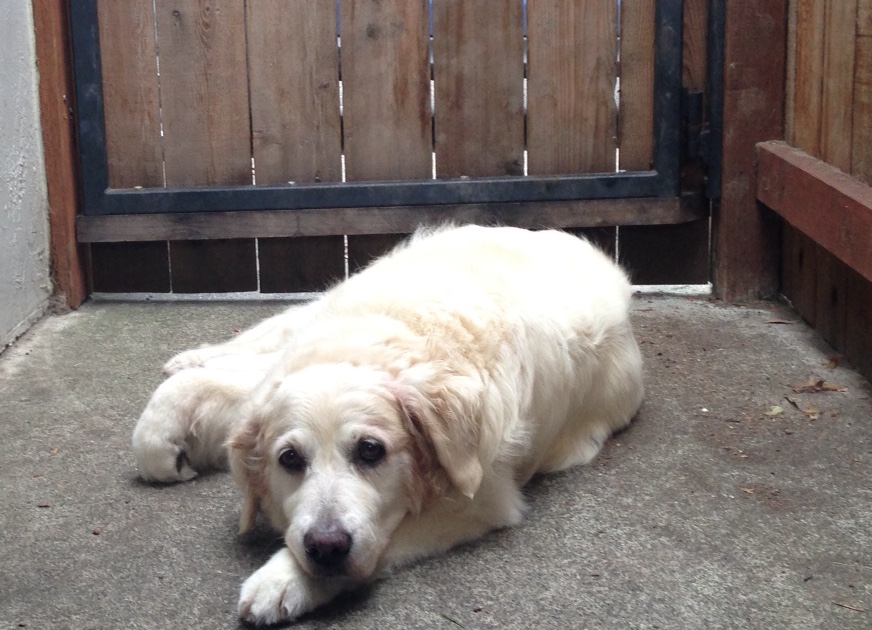
Jana, a white golden retriever, lying in front of a gate

She was only about 4 weeks old when we met. She stood out from the litter because, well, she tumbled right over to say hi. Jana had 2 sisters and 3 or 4 brothers; I looked only at the girls. After the first few minutes, I really looked only at Jana. I saw friendliness and curiosity each time she ran over to greet me; what she really was, I soon understood, was a girl who knew what she wanted and always, always got it.

I initially planned to raise and train Jana as a service dog. That idea lasted, well, maybe for a few weeks after she came home. But it was soon clear that I was Jana’s person and that was that. She wasn’t going anywhere unless I went too.

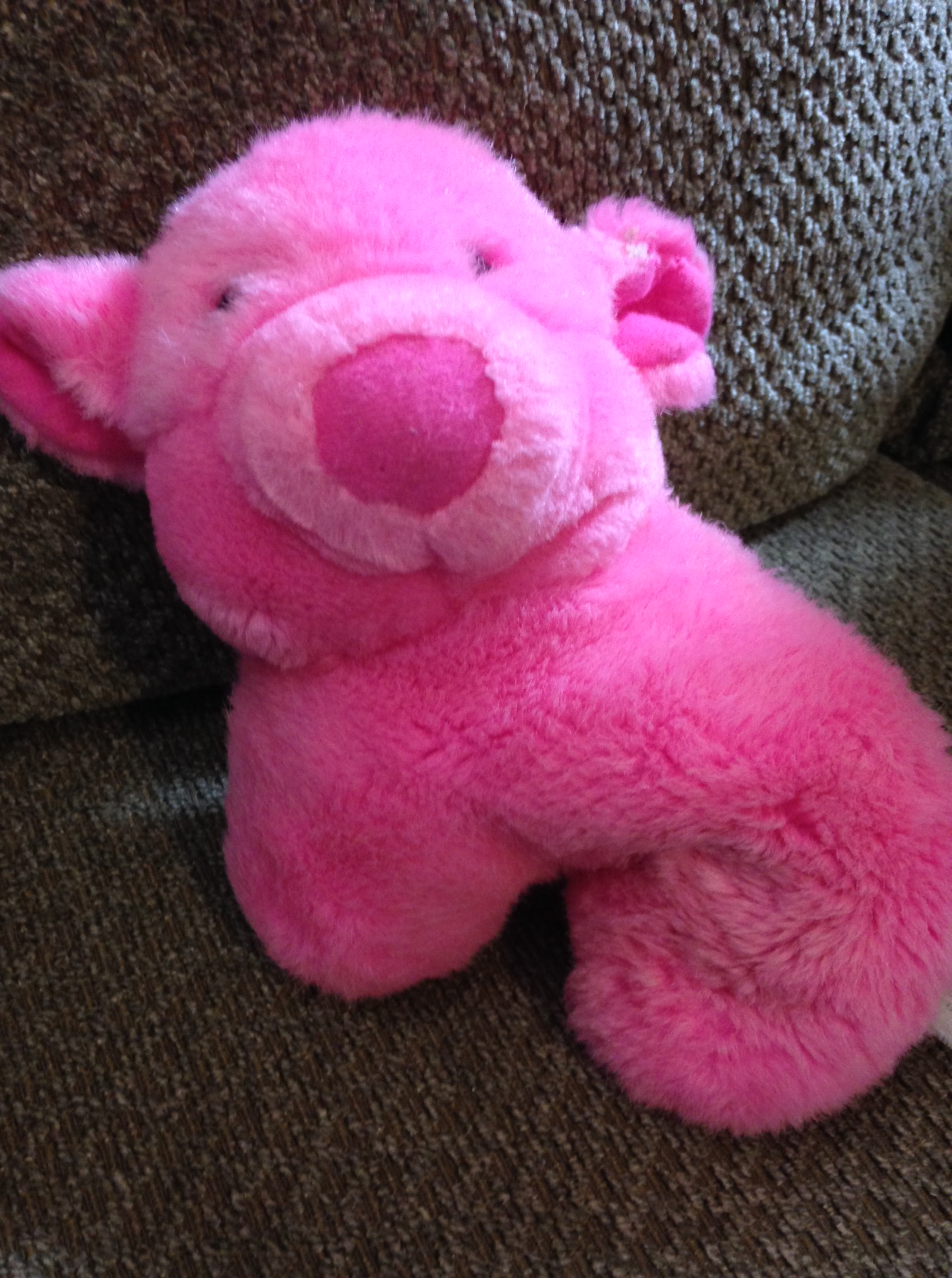
We moved from Israel, where Jana was born, to the U.S. a little before her second birthday. I took her to Petsmart to choose a birthday toy. She’d never seen anything like a Petsmart. Rows and rows and rows of treats and toys — and fish in aquariums, and hamsters and guinea pigs and iguanas — what an amazing plaPink stuffed pigce! When she finally focused on selecting her birthday present, Jana zeroed in on a bright pink pig. Jana, I said to her, Jana, you are a Jewish girl from Israel. This toy is not an appropriate choice. How about this nice fleece doggy?

Jana got the pig (and the doggy).

I could tell Jana stories for pages and pages. Or I could write the usual obit stuff about Jana — where she traveled, for example. She drove cross-country with me several times and visited at least 45 states. I could write about all of her skills — how seriously she took her newspaper job, how quickly she learned new skills — or about her strong, independent personality, or how she invented no-touch cuddling. She wanted to be nearby, possibly leaning against a beloved person, but the person had better not pet her. She accepted touching only on her terms; anything else was considered an assault on her dignity. She’d give the clueless human a dirty look and walk away, settling in the farthest corner of the room. Jana did not like to be treated in any way like a dog.

But Jana was so much more than stories and adventures. Jana was my teacher.

From Jana, I learned to see dogs in a completely new way and to appreciate their complex intelligence, their ability to communicate their needs and preferences. I learned to pay attention to each dog’s unique foibles and personality. I learned to see the thinking, feeling individual inside each dog.

I’m not alone. Jana touched so many people and showed them, too, what she — and other dogs — could do, learn, understand, communicate. I knew that Jana had many friends and fans, but the sheer volume of notes, comments, Facebook posts, phone calls, and cards that I got this week showed me how badly I’d undercounted. Some were from people we hadn’t seen in years; others from people we’ve never even met. And every memory that comes to mind includes more people. Knowing how many other people loved Jana means a lot to me; Jana lives on through all that she has taught us about seeing dogs more clearly.

The Thinking Dog blog itself was named for Jana, a deep thinker. She planned, she analyzed, she weighed her options — starting when she was only a few weeks old and she chose me to be her person. Nothing would ever be the same again.

Jana

There is no easy way to say this. Jana passed away very suddenly, on Thursday night, Nov. 24.

I cannot write about her life, not yet. But I could not post a regular, chatty blog post as if nothing had happened.

Jana had many, many friends, some who knew her personally and some only through The Thinking Dog; I am sorry to share this sad news with you all.

Missing Christine

I remember the day she was born, nearly fourteen years ago. I would be responsible for her sister, Cassie, but only for a few months. Christine’s human mom — we were all learning to train service dogs — held her when she was only moments old and became her trainer when Christine was seven months old. The two formed a solid bond and became a permanent family a few months later.

Christine was one of the last puppies in the litter. It was a dramatic birth. “My” puppy wouldn’t stop bleeding from the umbilical cord. One of the other students, an EMT, stopped the bleeding. Then one of the pups was not breathing. The same student tried to save the tiny puppy, but she didn’t make it. There was an orientation going on in the next room for volunteers who would help socialize the puppies. Each student had a part in the orientation, and we had to run back and forth between the whelping room and the room filled with people. Christine’s mom, Ideal, an special dog who raised many successful service dog puppies, stayed calm despite all the drama.

Christine was fine, though, wonderful even, right from the start. She had pretty much the perfect dog life. Her devoted mom took her to the beach pretty regularly, and they went on great hikes and walks in San Francisco every day. She had the best food and treats. Dozens of toys. When we all got together, Jana and Cali sure knew which mom to beg for treats. Not their mom.

Christine carries a large tree branch on the beachChristine showed Jana the ropes at Fort Funston and at our favorite — Crissy beach. She liked to speak softly and carry a very big stick. She loved to play and sniff out gophers. Jana loves to roll in the sand. Lucky for her mom, Christine didn’t do that. She slowed down a bit as she hit her teens, but she was always a sweet, friendly, happy girl.

In the end, as it often is with golden retrievers, Christine was diagnosed with cancer. She carried on for six months, but eventually, she could go no farther. Wherever great dogs go, she’s in good company. I can’t even list all of the wonderful dogs my friends and family members have lost in the last year, let alone all the wonderful dogs who’ve touched our lives.

Sometimes, cancer takes a dog very suddenly. Christine, as our Oriel did, gave us time to prepare. But either way, no one’s ever ready, and there’s never enough time. Thirteen and a half years, a full life for a golden retriever, is far too little time to have with a beloved friend and companion. We miss you, Christine.

Being a Dog

Alexandra Horowitz’s new book, Being a Dog, is as much about being — and sniffing as — a human as it is about dogs and their world of smells. Horowitz does a great job breaking down the science of how dogs smell and how humans do (or, rather, fail to). I finally understand how different the dog’ s sense of the world is, in a way that superficial comparisons of the number of smell receptor cells dogs and humans have never could convey.

Dogs process and understand smell in a completely different way from humans. Smell is an entire language. Sniffing stuff on a walk is like reading an entire encyclopedia. Horowitz says that dogs don’t judge smells the way we do either. Smells are information; neither good nor bad. That explains a lot!

A couple of weeks ago, I described “smell walks” but I wasn’t sure exactly how these were supposed to work. Jana will be devastated to learn that not all walks need to be smell walks, but she will be delighted with the news that she deserves frequent smell walks. She sort of gets them already: The rules are that the dog gets to decide what direction to head, when to change direction, when to stop, and when to continue moving. If you and the dog never make it down the front steps, so be it. Luckily, we don’t have front steps.

I’d guess that it’s best to smell-walk one dog at a time, though Cali seems pretty happy with letting Jana choose smell sites. One must not head out on a smell walk when one is pressed for time. Especially if one is walking Jana; her smell walks could easily last from breakfast until dinner, especially if one remembered to bring refreshments for along the way.

There’s a lot more to the book than smell walks, though. There’s a lot of science, much of it having nothing to do with dogs but lots to do with smells. There are some great chapters on working dogs that barely scratch the surface of what career options are out there for dogs with working noses. There’s also a description of Horowitz’s experience taking her dog to a nosework class. He, like Jana, was a natural. But her descriptions of some of the other class members, nose-impaired and inhibited, were very sad.

Nosework classes are a dog’s idea of heaven on earth. The dog is in charge. The human cannot tell her “no” or hold her back. She gets to climb on things and under things and stick her nose anywhere she wants to. She can bark as much as she wants. And the reward for finding something smelly is a ton of treats. Not hard to figure out why Jana loved it. Cali would, too. She deserves a smell class of her own, come to think of it.

The book is definitely worth a read. Horowitz’s last book, Inside of a Dog, was billed as offering insight into how dogs experience the world. But I think that Being a Dog does a much better job of that. Scent is what defines the dog’s world; as much as most humans rely on what they see to understand the world, dogs turn to scent. Gaining a better understanding of what that means is the best way to try to understand dogs. When you’re done, sign your dog up for a nosework class. Maybe Cali and I will see you there!

Trust Your Dog

Jana, at 4 months old, gets the paper

Jana gets the paper every morning. She has had this job pretty much her entire life. She’s good at it. Really good. She is also very serious about it.

She has carried papers up stairs and the length of country driveways that you can’t even see the end of. For several months a few years ago, we actually had to walk out to the end of the road for the paper, maybe a quarter-mile. She carried the paper all the way home, no matter what essential business might need to take place on the way.

Now, living in Petaluma, she listens for the delivery person. We have a great delivery person at the moment. He or she comes at 4:30 every morning. Rain, shine, weekend. Doesn’t matter. Drives into our parking lot and tosses the paper in the general vicinity of my gate. How do I know this? Well, if I am not awake, Jana hears the paper arrive and lets me know that it is time to get the paper. She’s very polite about it, but quite insistent. She does have a snooze button, and I do use it. But still. Most mornings I am at least briefly awake at 4:30.

The paper subscription expired recently, and I actually considered letting it lapse. Then I felt guilty. I would deny Jana her greatest pleasure? Fire her from a job she has performed dutifully for more than 13 years? For no good reason??

So. This morning, a Sunday, we both heard the car and the thud of a paper. A while later, after a couple presses on Jana’s snooze button, Cali woke me up. Cali does not have a snooze button. She wakes me up by jumping onto the bed and shoving her nose in my face. GOOD MORNING she breathes into my face, wagging her tail furiously.

So, Cali got me out of bed, and Jana was eager to get the paper. Out we went. No paper.

Jana looked under the car and along the sidewalk and by the neighbors’ gates. No paper. She got very interested in the small bush by the gate and was quite sure the paper was in there. I looked under the bush. No paper. She kept looking at the bush and sniffing at it. I poked around some more. No paper. I convinced her to go inside.

Then, since she had been so sure there was a paper, I took the big flashlight and went back out for another look. No paper under Jana’s bush  But: The paper was, indeed, under a bush. Not the one Jana had fixated on, but one very close by. I pulled it out, and called for Jana. She was very excited about this development and practically danced outside. She grabbed the paper, the big, heavy Sunday paper, and held it up triumphantly. She carried it inside and traded it for a cookie. She wagged hard, still smiling.

She knew there was a paper, and she knew it had gone into a bush. You should always trust your dog, even if she’s sniffing at the wrong bush.