Arthritis & Your Dog: Librela May Not Be the Answer

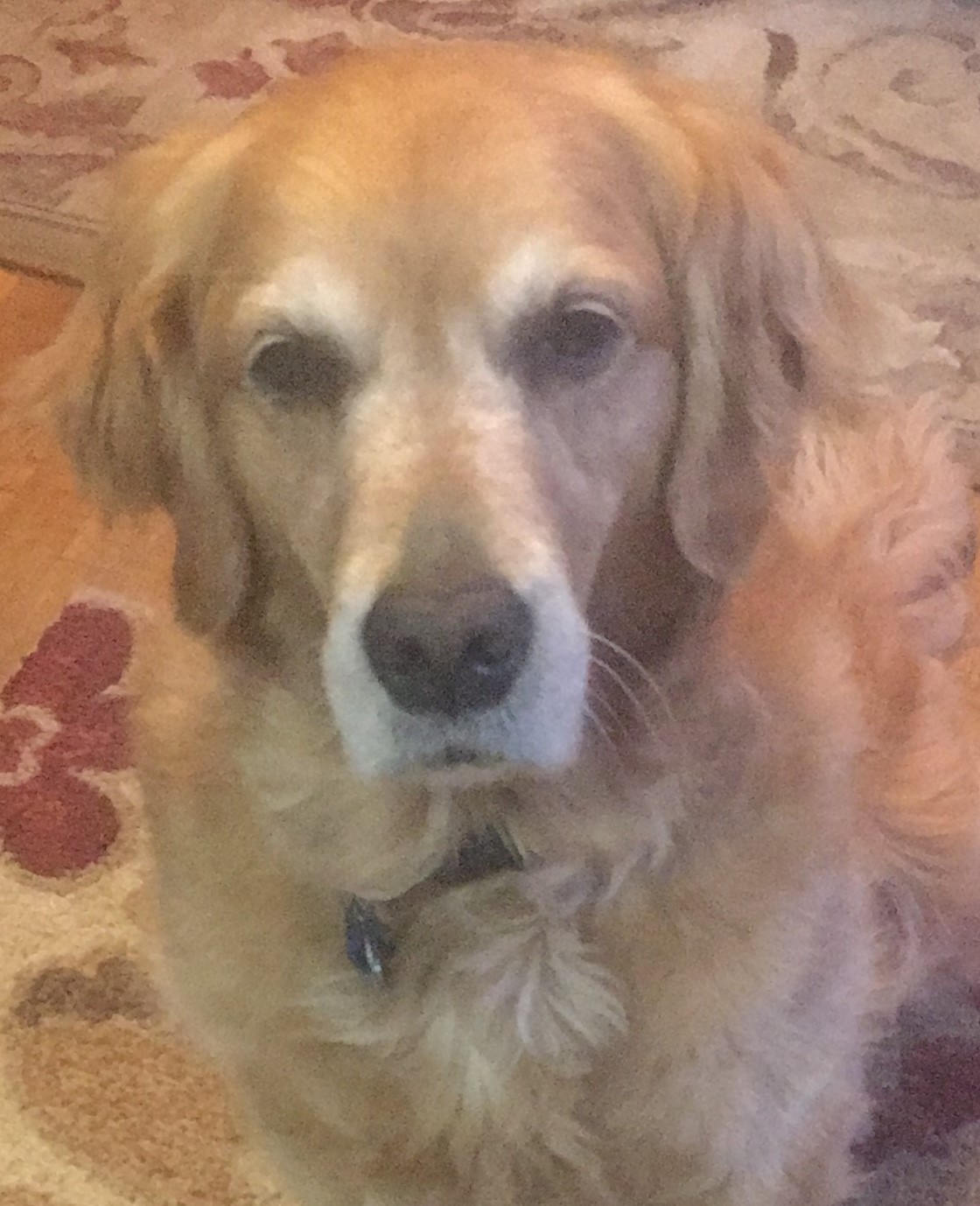
Jana, a white golden retriever, wears dark sunglasses
Jana wore dark sunglasses to protect her eyes during her frequent cold laser therapy treatments

Librela, a medication given to dogs by monthly injection to treat arthritis that has been available in the US for a little over a year (longer in the UK, Canada, the EU, and Australia), is raising alarm as more dog owners report serious side effects.

The concern is enough that the FDA issued a warning letter to veterinarians and the New York Times published a warning.

About Librela

Librela is what is called a monoclonal antibody drug. It blocks activity by specific proteins that transmit pain signals, thereby relieving pain. At least, that’s the idea.

Reports of serious reactions include neurological signs, such as ataxia or seizures; muscle weakness, and inability to stand or move around. Some dogs have died.

According to the AVMA (American Veterinary Medicine Association, more than 3,600 adverse reaction reports had been filed as of April 2024 (at this time, Librela had been available for less than a year). Of these, 70% occurred after a single injection; many within a day. The packaging does not list these side effects (though what it does list seems pretty unpleasant). So, Dogs Naturally shared the side effects listed on US and Canadian packaging:

“The listed side effects on the Canadian insert for this medicine (much more comprehensive than in other countries!) include:

  • Swelling at the injection site
  • Systemic disorders: lack of efficacy, polydipsia, death, lethargy, anorexia
  • Renal and urinary tract disorders: poluria, urinary incontinence
  • Digestive tract disorders: diarrhea, vomiting
  • Neurological disorders: ataxia, seizure

The US prescribing information lists the most common adverse reactions as …

  • Urinary tract infection
  • Bacterial skin infection
  • Dermatitis
  • Dermal mass
  • Erythema
  • Dermal cyst(s)
  • Pain on injection
  • Inappropriate urination
  • Histiocytoma

These are ugly lists. Not to mention that many elderly animals already have compromise or disease in multiple organ systems. So this medicine may be the straw that breaks a whole lot of camel’s back in your dog’s system.”

These may well be the most common adverse reactions, and the number of dogs experiencing severe reactions may be relatively small. Which matters not at all when your dog is among them.

While many dogs do experience reduced pain and increased mobility, other dogs are reported to show:

  • Lethargy
  • Drooling, shaking
  • Change in behavior, acting scared, hiding
  • Urinary incontinence
  • Refusing food or water
  • Diarrhea, vomiting
  • Ataxia, staggering, falling over
  • Hind end weakness, unable to get up
  • Kidney or liver damage
  • Seizures (new or increased)

Your vet may — or may not — describe all of the potential side effects of Librela, so think carefully and consider other pain management options before choosing.

Arthritis pain management

The original Thinking Dog, Jana, had severe osteoarthritis from a relatively young age. By age 3 or 4, she was balking at going down stairs, and I knew something was wrong. We tried, with various success:

  • Chiropractic adjustments
  • Acupuncture
  • Laser therapy
  • Supplemements — green lipped mussel, glucosamine, turmeric
  • CBD “treats”
  • Herbal medicine
  • Rimadyl and similar anti-inflamatory drugs

These helped Jana to feel better and remain active until she passed away several years ago at age 13 1/2. Cali also tried several of these approaches to pain management. Orly is a healthy, fit, and active 3-year-old who takes no medications (ah, youth!).

If I have another dog with arthritis, I will start with these options. I encourage you to do your own research! Each individual dog will respond differently to each treatment or combination of approaches.


Not Afraid of Needles

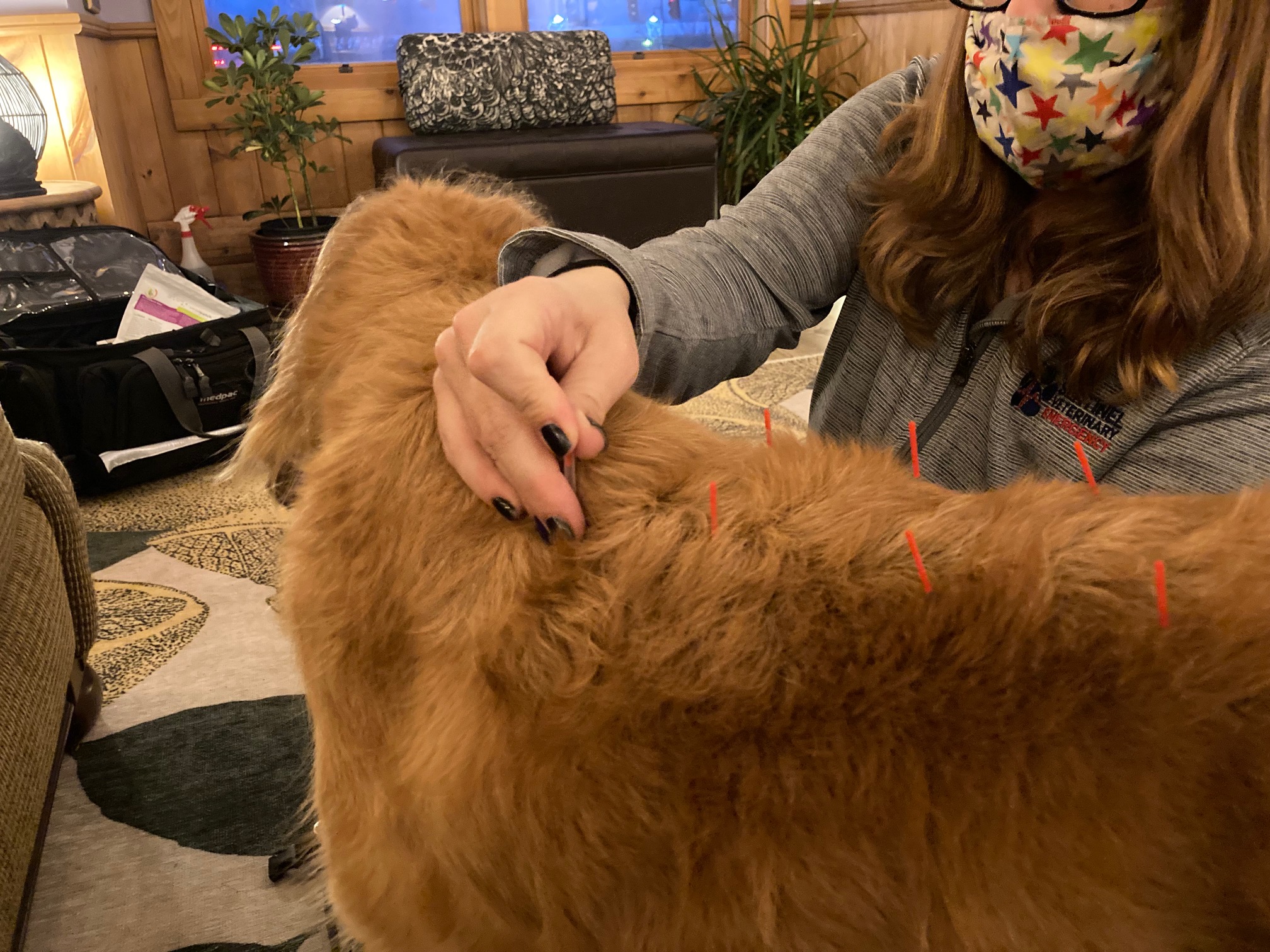
An acupuncturist places red-tipped needles in Cali's backIn addition to her swim therapy, Cali has had a few acupuncture treatments. These, along with her new pain meds, are intended to help Cali deal with her painful muscles and readjust her gait.

Fortunately, Cali is not bothered by needles. I’m not sure she even notices when she gets a shot at the vet’s; she’s too focused on the treats.

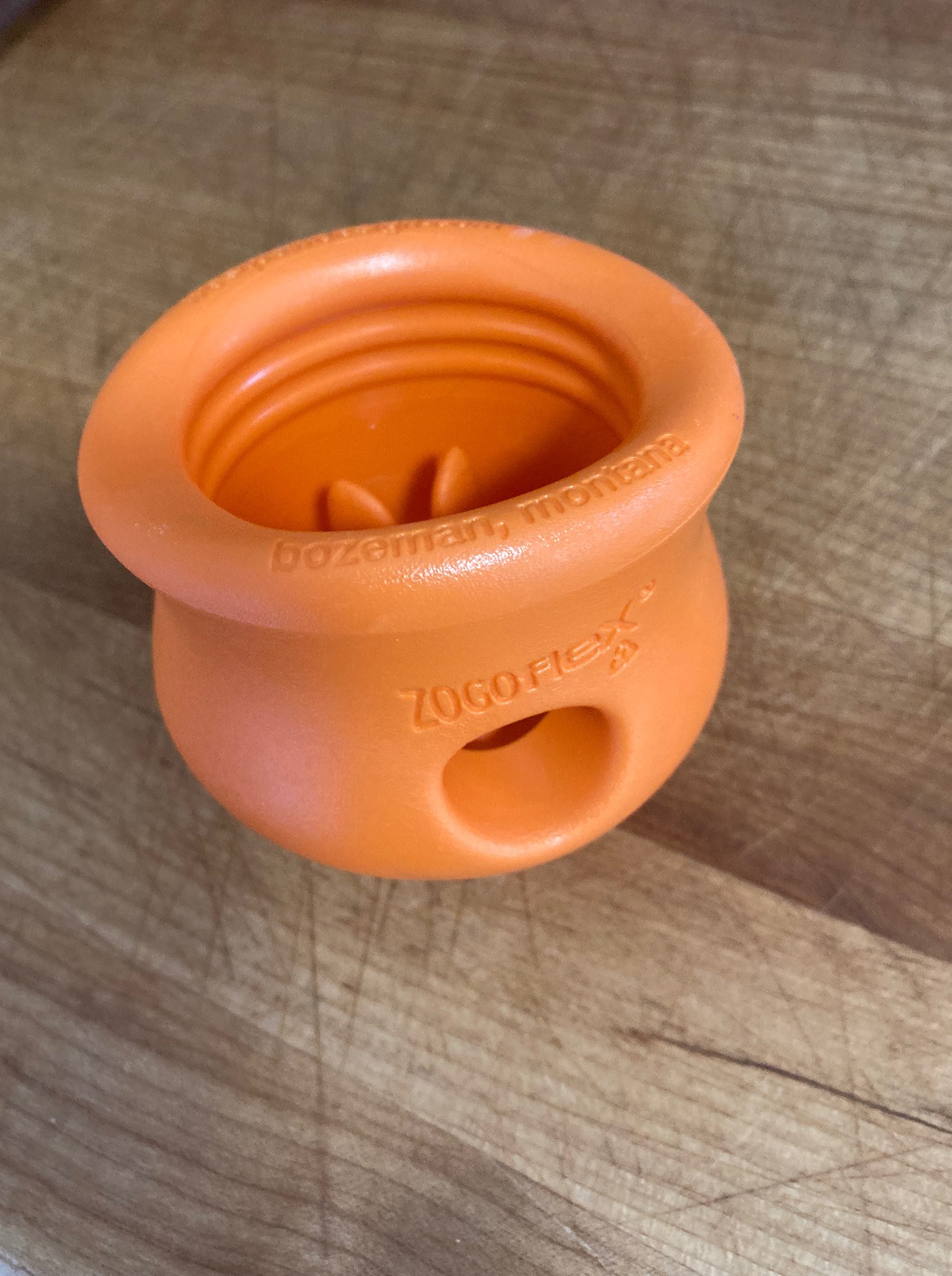
an orange cup-shaped Toppl toyThat must be the case at acupuncture, too. The first time we went, Cali got a Toppl toy filled with … I am not sure what, but Cali loved it. I’m not sure she noticed the acupuncture; she was deeply engrossed in licking clean this wonderful new treat toy.

The Toppl is a cup-shaped toy made by West Paw, a Montana company that makes indestructible dog toys. I have since gotten her her own Toppl, which I fill with Greek yogurt and freeze. She gets that after each swim therapy session, since we all know how hungry one gets after swimming.

But I digress.

Acupuncture. Cali gets needled in her back. Both times, one muscle twitched strongly several times when the needles went in. This is apparently a sign that the muscle is releasing tension.

The second time we went, the Toppl toys had all been emptied by some hungry Labs (I wonder if they also swim), so Cali had to make do with regular treats. She was a little more restless and at one point, she stood up and gave a big shake.

Once a muscle relaxes, the needles become loose and can just fall out. So … well. Needles went flying! Fortunately, they have bright red tops, so we quickly found them all.

The combination of swimming, acupuncture, and meds seems to be working. Cali has been energetic and playful to the point of constantly asking me to go outside with her and throw the ball. She even brings it back (sometimes)! And we’re taking longer walks in the neighborhood and along the river, too.

Pain Relief from CBD

Like many golden retrievers, Cali has some arthritis pain. And like a growing number of dogs (and humans) she’s trying CBD for relief.

CBD is derived from hemp but, unlike medical (or recreational) marijuana, it has no THC and Cali does not get a “high” from her Special cookies.

According to a recent study, the benefits are real and measurable — dogs getting CBD, vs. a placebo, had reduced inflammation and pain and greater mobility. Owners and veterinarians reported on the dogs’ condition and any changes in their gait. All the dogs had bloodwork done before and after the treatment. No ill effects were recorded — but the study lasted only 4 weeks. Nine out of 10 dogs who got the CBD showed improvement that lasted for a couple of weeks after the treatments ended.

The participating dogs got daily treatments, though, and Cali is probably taking far less CBD. She may need more of her CBD treats… a prescription she will be delighted to follow!

She’s also getting chiropractic adjustments and laser therapy. She is cheerful, playful, and happy, and eager to run and jump for a tennis ball, so I don’t think she’s in a lot of pain. But she’s still young, and her arthritis is likely to get worse, so I am learning what I can about available therapies.

This small, short-term study is promising. It could lead to studies with humans. CBD is popping up everywhere, including local pet stores. It’s great to have some indication that it could be effective.