Why We Miss Our Dogs So Much …

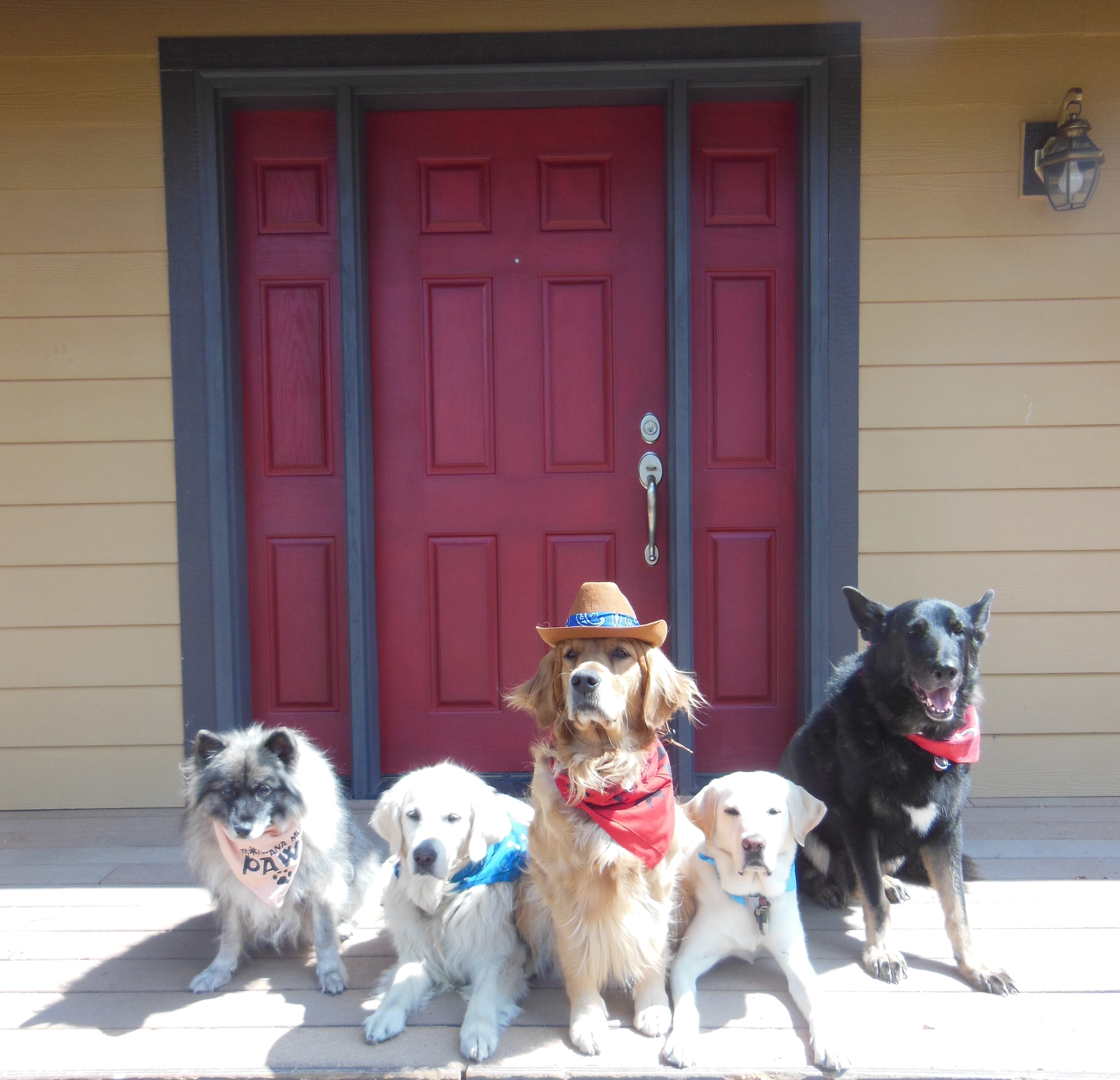
Five dogs pose; all wear bandannas and Cali, in the center, sports a cowboy hat.
Montana posse: Hannah, Jana, Cali, Alberta, and Ziggy

A friend recently forwarded me this column about grieving the loss of a dog.

It’s so true that losing a dog can be harder than losing a human family member, as friends and relatives who’ve recently lost dogs (recently = in our lifetime) can confirm. I still miss my Jana, after a year and a half.

Why is this so hard to bear? As the column-writer notes, dogs are more intimately part of our lives than most of our human friends and even relatives. Other than a longtime spouse, your dog is probably the person (yes, dogs are persons …) who has spent the most time with you, seen you at your best and worst, and who knows you best. I’d argue that dogs know us better than any human can, since they can read so much more of our body language and, in most cases, read our minds!

They’re also great company. Sure, Cali sulks when I won’t share my dinner and huffs and stalks off when I pick up my phone. But she — and most dogs — offer largely uncritical companionship. They’re easy to be with, comforting when you’re having a hard time, and always up for some fun. They never, ever try to talk you out of a late-night ice cream binge, for example — or, to be fair, a long hike.

While non-pet people may never understand why the loss of a pet is so hard, pet people should know that there are many, many people who do understand. And who also know that even when, as many of us do, we get a new dog, we’ll never fill the hole left by the ones we’ve lost.

This column is dedicated to Hannah and Ziggy, my sister’s dogs (pictured with Cali, Jana, and Alberta) who passed away in February.
Remembering Our Friends

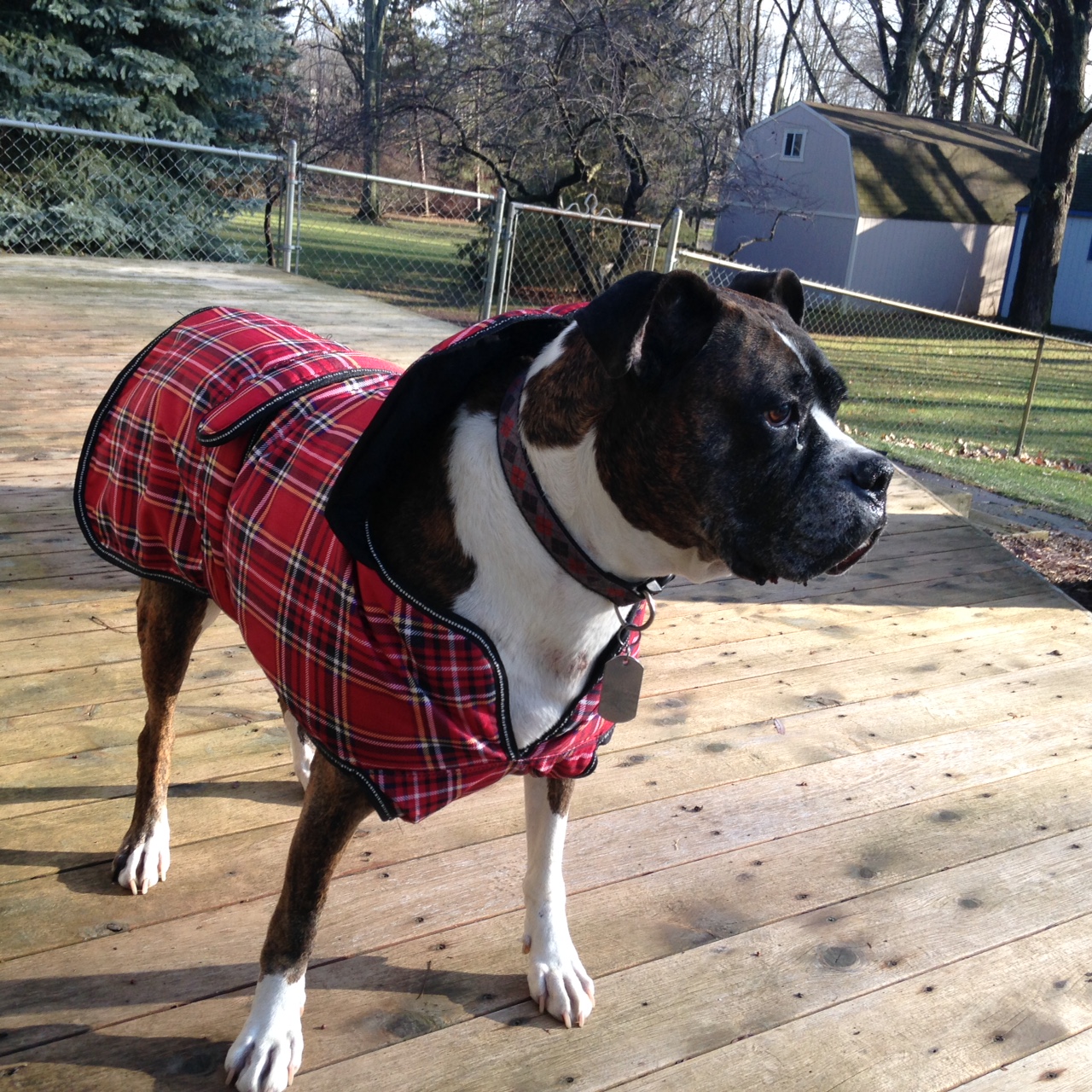
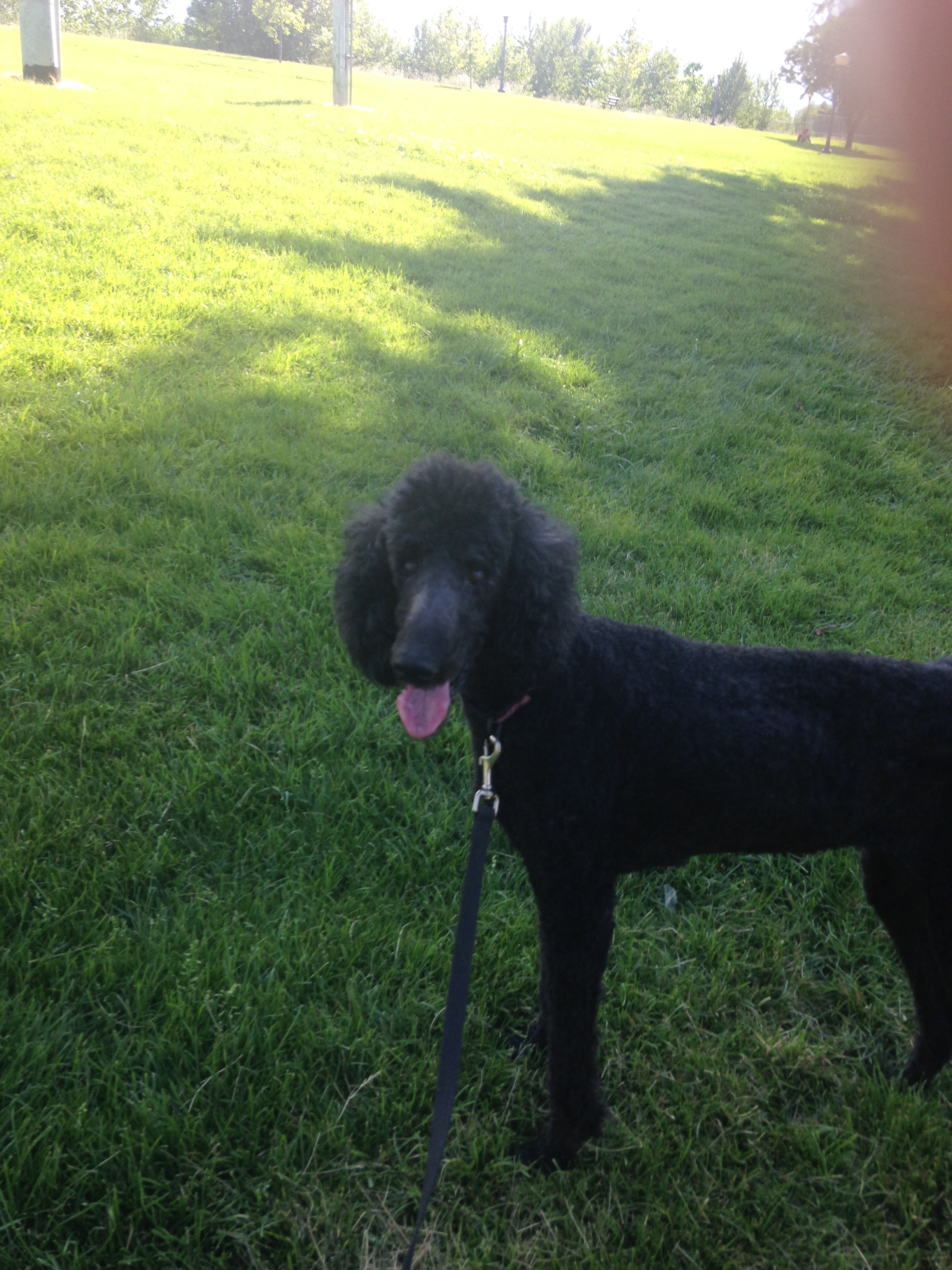
Beau, a boxerA lot of my friends have senior dogs. Unfortunately, that means that a lot more of my friends had senior dogs. Over and over, I face the loss of a friend, a dog I have known for years. A family dog like Beau, who loved my visits because he got extra walks and tons of attention (not that he was exactly starved for love and affection otherwise). A longtime friend’s dog like Molly, who was a frequent guest in my home, or little Casey. (They were both poodles, though, so it might not be fair to lump them in with dogs; I am convinced that poodles are a link between canines and humans, tending more toward the human than any other dog breed.)Molly, a black standard poodle

Each time a beloved dog passes away, I search for the perfect card. I’m always disappointed that the best dog-product stores have all the top treats, toys, clothing, and accessories for dogs, endless adorable birthday and thanks-for-taking-care-of-me cards … and pathetically few sympathy cards. And many of the few they do have are, well, awful. In addition to the card, Deni and I have a custom that we’re getting better and better at honoring. We choose a charity that we are sure that both the late dog and her or his human would support and make a memorial donation. I have to admit that I have missed doing this on many occasions, but I do feel that it is a meaningful way to mark the life of a beloved friend. Unfortunately, beyond offering these gestures, we haven’t come up with a way to make the loss any easier.

A number of books have been written about the loss of a dog. A particularly good one is Anna Quindlen’s Good Dog. Stay. I haven’t re-read it in a while, though I should; I have recommended it over and over, though.

What do you do to help a friend through the loss of a dog? What have you found helpful? Let me know, and a future Thinking Dog blog post will feature reader suggestions.