The first (and only, so far) time I changed vet clinics because I was tired of being pressured to pay for tests and services that I knew my dog didn’t need was almost 15 years ago. The clinic, where a friend had taken her dogs for several years, was pushing and pushing and pushing. The final outrage was when they suddenly decided that my dog needed a heartworm test every 6 months.
They had been insisting on annual tests before issuing a new prescription for the preventive. I thought this was overkill, since we never missed a dose, and I was confident that my dog did not have heartworm. But every clinic demanded that, so I played along and paid up.
When they refused to give me the prescription for more than 6 months without a repeat test (and vet visit), I took my business elsewhere.
Since then, I have been fortunate to have found locally owned, outstanding vet clinics.
This is getting harder and harder, as more practices are being purchased by private equity companies. This often happens when the owner of a small clinic retires.
As has happened with human health care, private equity purchasers of clinics and hospitals tend to focus aggressively on increasing profit—with the results including higher prices, improved efficiency (which may mean cutting some services), and closing unprofitable clinics and hospitals. In veterinary medicine, it also seems to mean high-pressure tactics to convince pet owners to purchase more services, even if their pets don’t need them.
In addition to higher prices, many pet owners are finding that they have fewer options for routine and emergency care — similar to the scarcity of rural and community hospitals in many parts of the U.S.
Huge growth in pet ownership during the COVID pandemic caught the interest of some private equity firms, a Stateline article said, leading them to purchase small clinics for many times their market value, making it more attractive for a retiring owner to sell to them rather than to a local vet. The new corporate owners might leave the clinic name unchanged, meaning many clients are unaware of the ownership change. This has happened in Missoula, where I live.
Within a few months to a couple of years, though, the changes in business practices are often obvious — and not in a positive way. I know many pet owners who patronized a local clinic for years, remaining loyal through the original owner’s retirement. Ultimately, though, the clinic “went corporate,” and at first a trickle, then a stream of friends were asking for vet referrals.
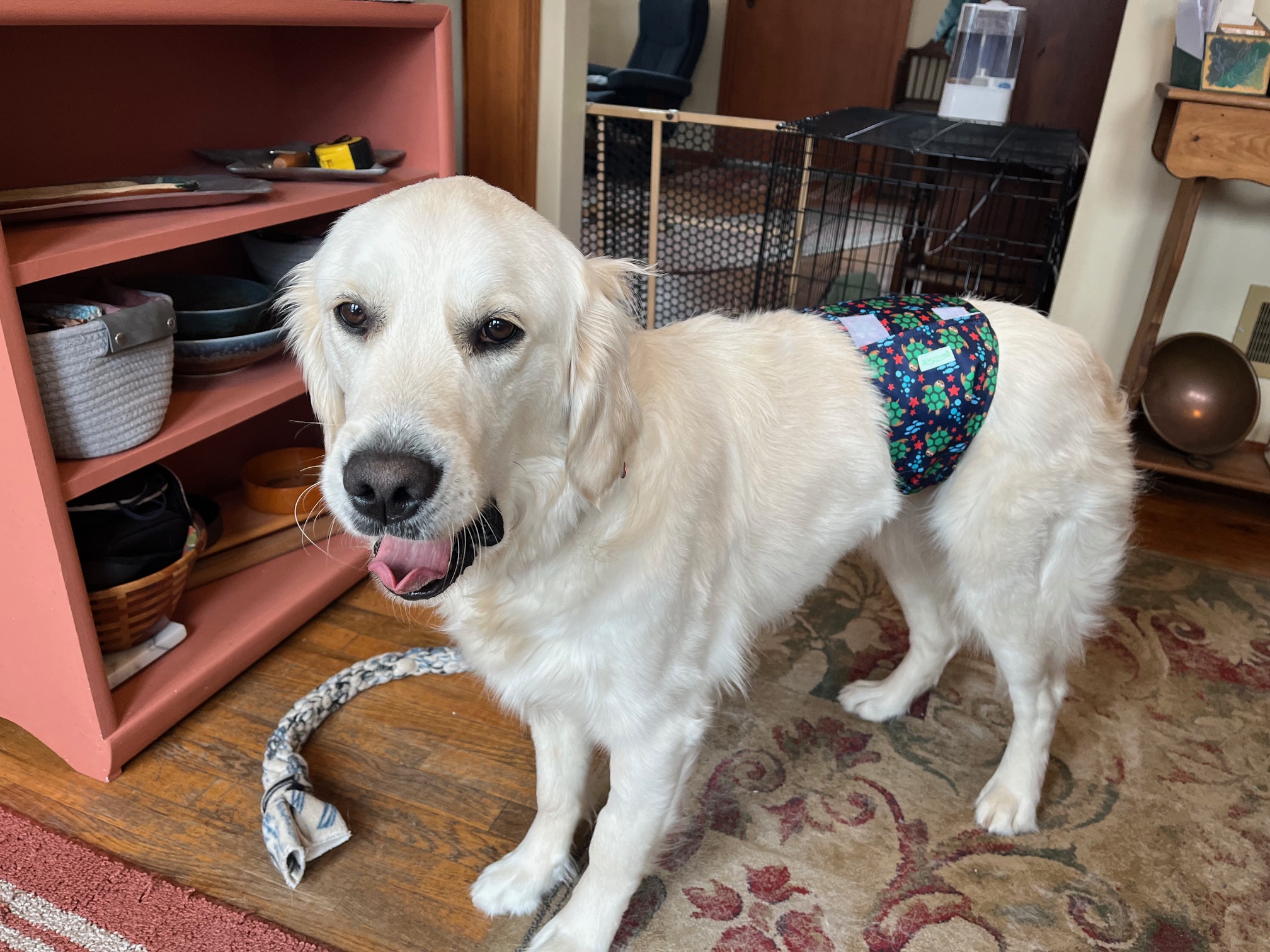
The privately owned clinic where I take my girls is thriving; they’ve added two vets in the past couple of years and are always busy. Even so, my vet always has time to talk with me and has never tried to talk me into a test or treatment that Cali, Orly, and now Dotty didn’t need.
If your clinic doesn’t deliver that kind of service, check into the ownership … and if needed, search for one that is owned locally, by an actual vet.