We’d been congratulating ourselves all summer on the absence of rodent roommates in our Montana residence when, on their first night here, our visiting friends spotted a mouse. Out came the mouse traps, baited with peanut butter. Out came the baby gates, keeping the dogs away from the traps.
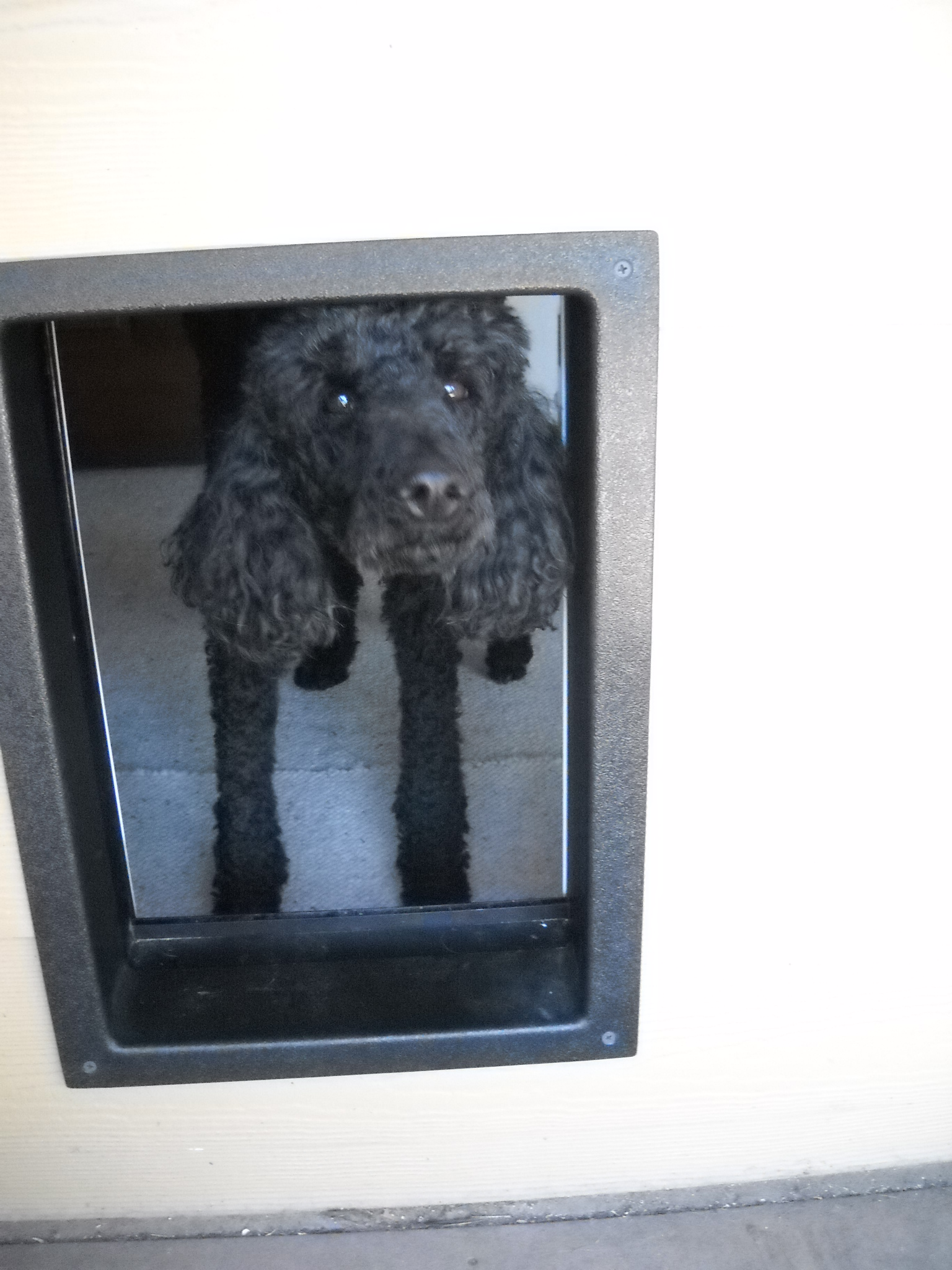
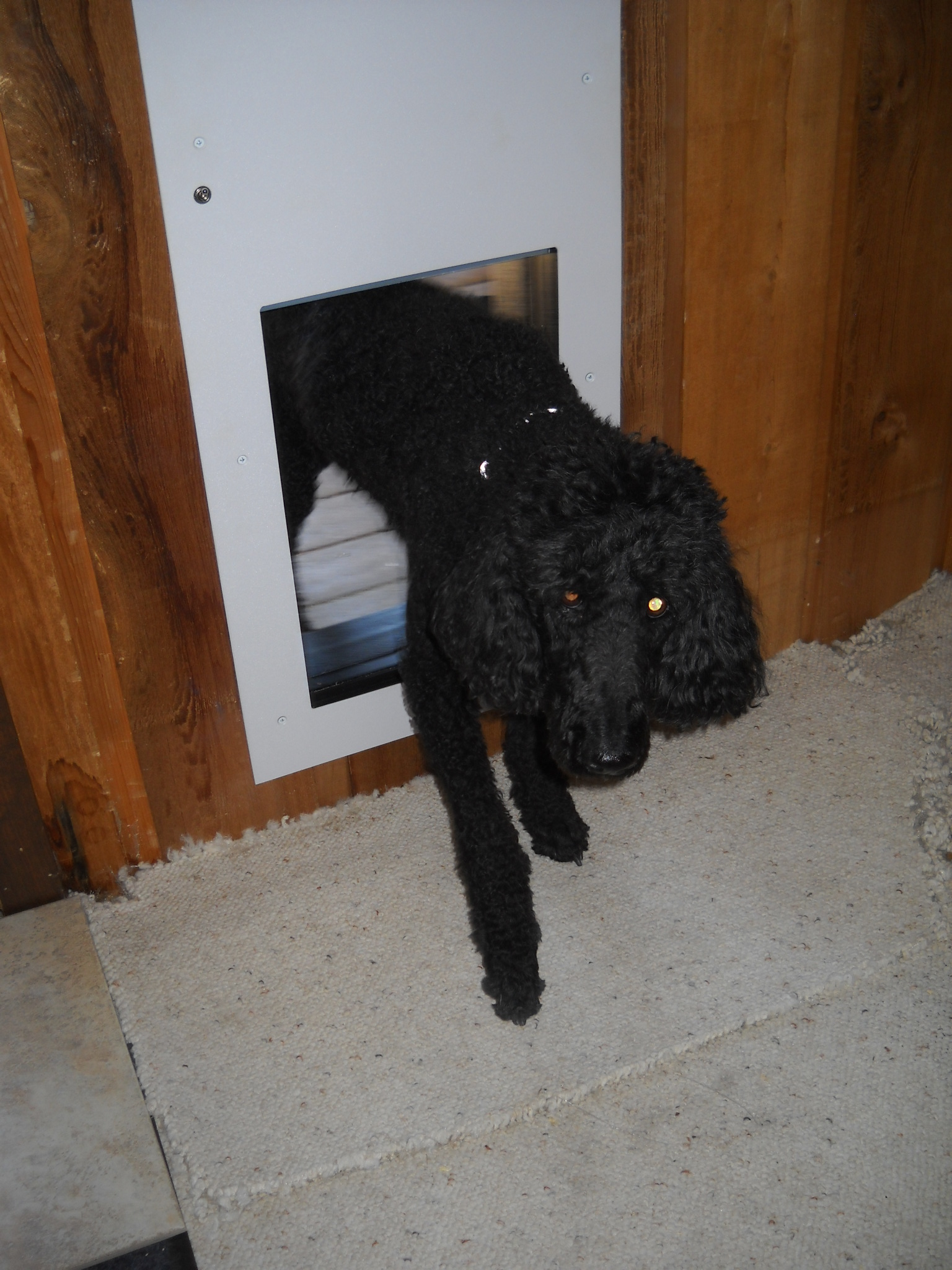
A couple of mornings later, forgetting that there were still traps out, I let Jana come downstairs with me. Zeroing in on the scent of peanut butter, Jana beelined for its source. SNAP!
Jana’s head jerked back, then her nose immediately moved forward again, seeking and finding the now disarmed peanut butter. Once she’d licked the snapped trap clean, she hunted for others. A week later, she was still checking that area of the office for traps, uh, peanut butter, every morning.
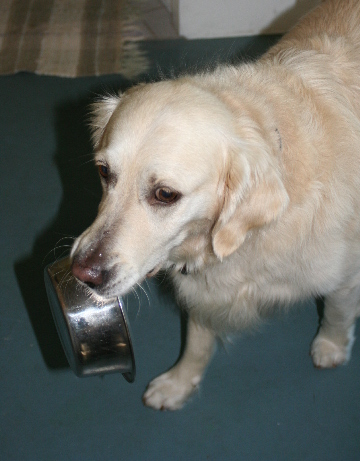
Though I have no doubt that her reaction would have been different if the snapping trap had actually nipped her nose (she might have taken a full minute to recover before going for the peanut butter) the experience reminded me of why I so strongly dislike invisible fences:
If a dog’s motivation to go after something is strong enough, a moment of shock or pain will not deter her.
The thorough training that is supposed to — but rarely does — accompany the installation of invisible fencing should, it is claimed, teach the dog to avoid the “fence” so as to avoid receiving an electric shock. The dog is fitted with a collar that normally gives a warning beep if the dog approaches the underground wire that makes up the “fence.” The collar is supposed to deliver a shock only if the dog ignores the warning. Leaving aside the issues of malfunctioning fences and collars, this system rarely works as perfectly as the salespeople describe.
For some dogs, the experience of the shock, felt during “training” is enough to deter the dog from ever again approaching the perimeter of the yard. (For some dogs its enough to deter them from going outside at all, and it can have even worse effects, too, but that’s another blog.) But dogs who are that easily deterred are rational enough to be taught to stay in the yard without shocking them. For many other dogs, the shock wouldn’t work.
For instance, take a dog like Jana, who is highly motivated by food. A moment of pain isn’t much of a deterrence. She’d cross an invisible fence in a heartbeat if someone on the other side proffered a spoonful of peanut butter.
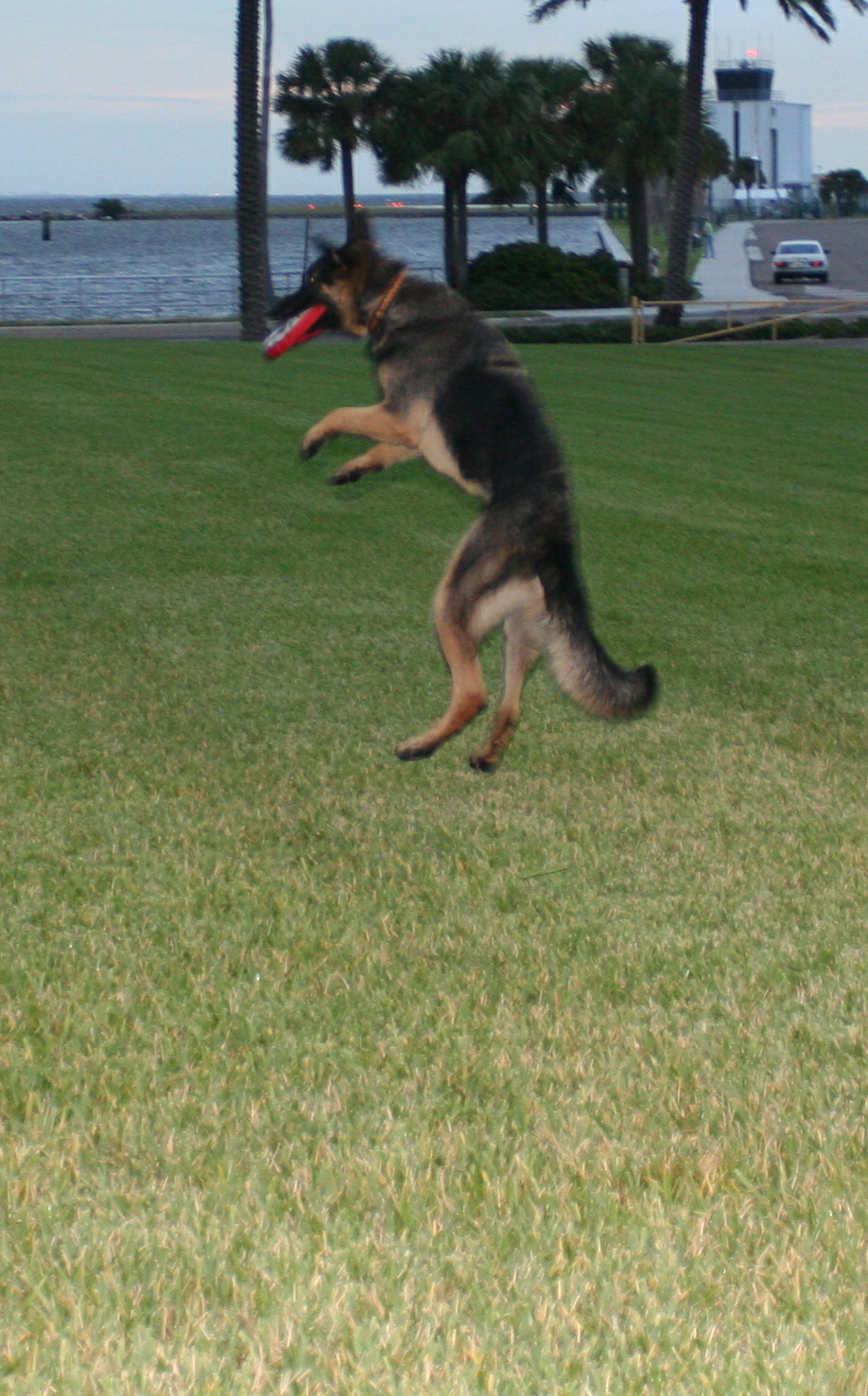
A more likely scenario arises with dogs like Wylie, dogs who love to run and chase things. These dogs would be unlikely to consider — or even notice — the shock as they flew across the yard and over the boundary, in hot pursuit of a running cat, deer, or other fleeing animal. This dog might, however, think twice about coming back into the yard on his return home after the chase. Winded, walking more slowly, he’d approach the “fence,” hear the warning beep, and, quite likely, decide that going home wasn’t worth the pain.
An additional problem with invisible fences is, of course, that anything at all — the mean dog from down the street, a cat, a coyote — can get into the yard and harass or harm the resident dog, who cannot run away without being “punished.”
So. An invisible fence doesn’t keep your dog safe and won’t contain the sort of dog who most needs strong boundaries. The only thing that can do that is a lot of (humane) training and a watchful human on the premises.
If you’re wondering what happened to the mouse, he (she?) was electrocuted while chewing through the wires to a bathroom light fixture, shorting out the light in the process. No rodent friends or relatives have been spotted, and the light has been replaced.